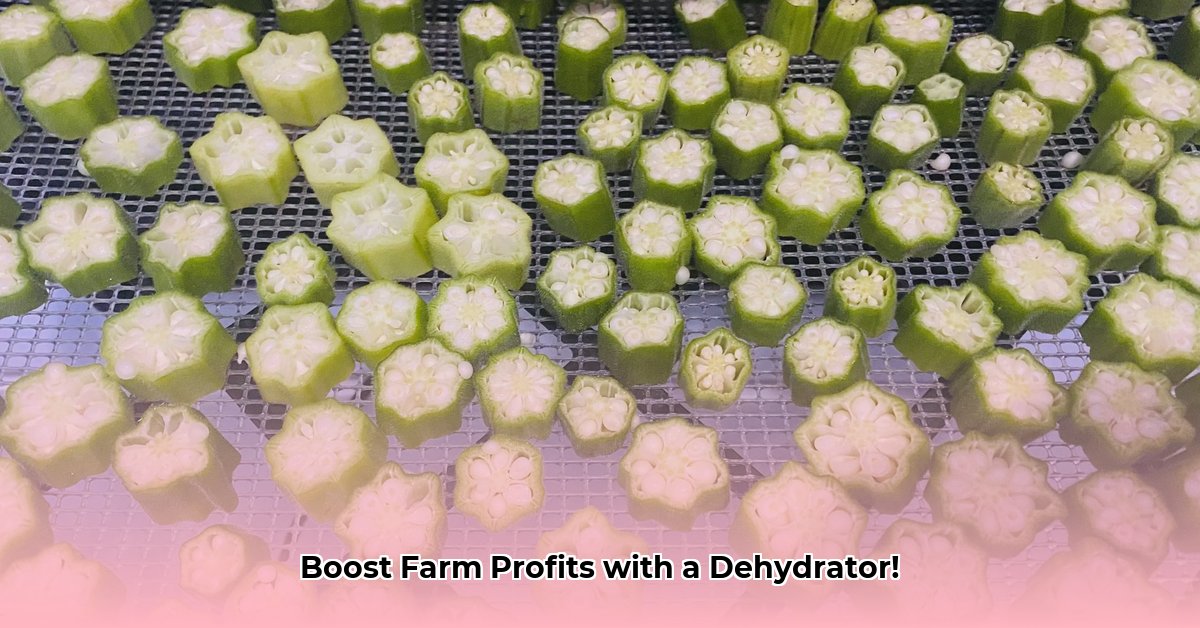
A Drying Solution for Thriving Farms
Farming is tough. Long hours, unpredictable weather, and fluctuating market prices are the daily reality. But what if you could significantly reduce waste, extend the life of your harvest, and actually increase your profits? Food dehydrators from Tractor Supply are changing the game for many farmers, offering a practical solution to a common problem. They're not just for making jerky: they're becoming essential tools for modern, sustainable agriculture. For more information on Tractor Supply dehydrators, check out this helpful resource.
Imagine this: a bountiful harvest of peaches, only to see a significant portion go to waste because the market's saturated, or transportation costs eat into your profits. A dehydrator offers a lifeline. It transforms perishable goods into shelf-stable products, dramatically increasing their lifespan and opening new opportunities. Is this a solution to the age-old problem of farm surpluses? Let's unpack the potential.
Expanding Your Farm's Potential with Dehydration
The rising popularity of food dehydrators reflects a wider trend: farmers are seeking innovative ways to maximize value. Dehydration isn't about saving a few extra tomatoes; it unlocks a world of possibilities. Imagine transforming surplus strawberries into fruit leather, creating unique herb blends, or crafting dried apple chips for a growing healthy snack market. This diversification strengthens your farm's resilience to market fluctuations. You're not just selling produce; you're building a brand and a potentially more lucrative product line. Did you know that dried fruits and vegetables often command higher prices per unit than their fresh counterparts? This added value can significantly boost your farm's revenue.
Taking the Next Step: A Practical Guide to Food Dehydration
Successfully integrating a dehydrator from Tractor Supply into your operation involves these key steps:
Needs Assessment: Honestly evaluate your crops. Which ones consistently exceed demand? Which are most prone to spoilage? Research local markets and online retailers for insights into potential demand for dried versions.
Choosing the Right Dehydrator: Tractor Supply offers various models; consider capacity, features (adjustable temperature controls, timers), and price. Read online reviews to compare options. What features are essential for your operation's size and needs?
Mastering the Dehydration Process: Experiment with small batches, meticulously recording settings and results to optimize drying time and temperature for each crop. Consistent quality is essential for brand building.
Exploring New Markets: Don't limit yourself to your farm stand. Farmers' markets, online stores (Etsy, Amazon Handmade), local food co-ops, and direct-to-consumer sales offer diverse avenues to expand your reach and revenue. What marketing strategies will work best for your specific products and target audience?
Marketing Your Dehydrated Goodies: Showcase the freshness and sustainable farming practices behind your products. Attractive packaging and compelling descriptions that highlight unique qualities and health benefits will help your products stand out in a competitive market.
Weighing the Pros and Cons of Dehydrators
Dehydrators offer significant advantages, but also have limitations. Let's examine both sides:
| Advantages | Disadvantages |
|---|---|
| Significantly extends produce shelf life | Requires an initial investment |
| Adds significant value to your harvest | Energy consumption can be a factor |
| Reduces food waste and improves efficiency | Involves a learning curve to optimize the process |
| Creates new potential revenue streams | Requires storage space for dried goods |
| Improves sustainability by reducing waste | May not be suitable for all types of produce |
The Future is Drying: Embracing Sustainable Practices
The increasing availability of food dehydrators reflects a positive shift towards sustainable agriculture. Reducing food waste is environmentally responsible and economically smart. By adopting food dehydration, you’re building a more resilient and profitable farming operation. It’s a practical step towards sustainable practices and a smart investment. Investing in a dehydrator could be the key to unlocking your farm's full potential. It’s more than a machine; it's a strategy for success. Are you ready to take control of your farm's future?
How to Choose Energy-Efficient Food Dehydrators for Small Farms
Key Takeaways:
- Food dehydrators significantly reduce food waste and extend shelf life, boosting farm profits.
- Energy consumption varies across models; careful selection is crucial for cost-effectiveness.
- Small farms should prioritize energy efficiency and affordability.
- Larger operations may find high-capacity commercial units more cost-effective in the long run.
- Regular maintenance is key to maximizing efficiency and lifespan.
Understanding Your Needs: Home vs. Commercial Dehydrators
Before choosing, consider your operation's scale. A small farm might use a home unit effectively, while larger operations may benefit from a commercial dehydrator, despite the higher initial cost. Consider the tradeoff between initial investment and long-term operating efficiency. What's the optimal balance for your farm’s size and output?
Energy Efficiency: Wattage and Beyond
Lower wattage generally means lower energy bills, but also slower dehydration. Look for energy-saving features like automatic shutoff and efficient airflow. Some commercial models offer features like automatic tray rotation for even drying and reduced drying times, leading to lower overall energy use.
Factors to Consider When Buying a Dehydrator
- Assess your needs: How much food will you dehydrate? What types?
- Set a budget: Home dehydrators are less expensive than commercial models.
- Compare energy ratings: Prioritize low wattage and energy-saving features.
- Check reviews: Read reviews from farmers and home users.
- Consider lifespan: A durable dehydrator minimizes replacement costs.
- Maintenance: Easy-to-clean models save time and effort.
Cost-Benefit Analysis: Long-Term Savings
While the initial cost of a commercial dehydrator is higher, the long-term savings can be substantial for high-volume operations. Weigh the increased upfront cost against faster processing, lower per-unit energy costs, and reduced labor. A cost-benefit analysis, considering all factors, is crucial for making the best decision.
Risk Mitigation and Best Practices
| Technology/Practice | Risk (Low/Medium/High) | Mitigation Strategy |
|---|---|---|
| Inefficient Home Dehydrators | Medium | Upgrade to energy-efficient models; optimize usage. |
| High-Wattage Commercial Units | High | Implement energy-saving strategies; invest in highly efficient models. |
| Reliance on Non-Renewable Energy | High | Transition to renewable energy sources. |
| Poor Cleaning and Maintenance | Medium | Adhere to manufacturer’s guidelines for cleaning and maintenance. |
Responsible energy usage is vital for long-term profitability and environmental sustainability.